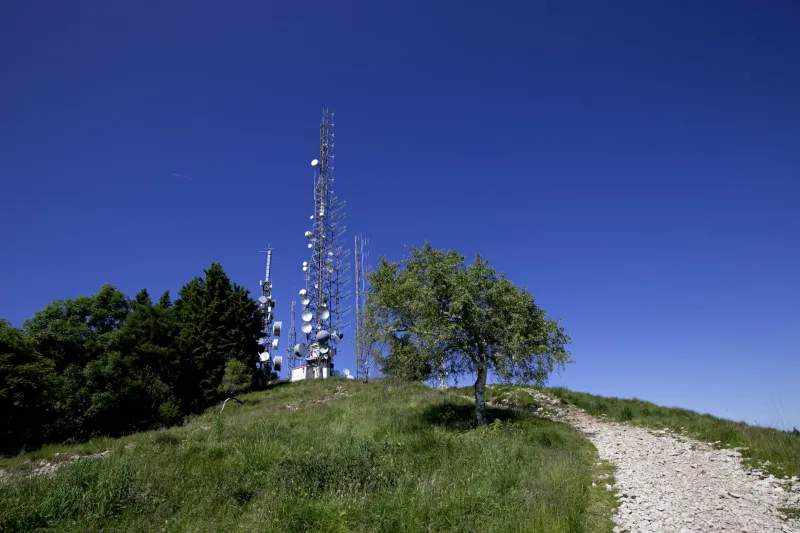
Two Radios, One Crisis: The Interoperability Problem That's Still Getting First Responders Killed
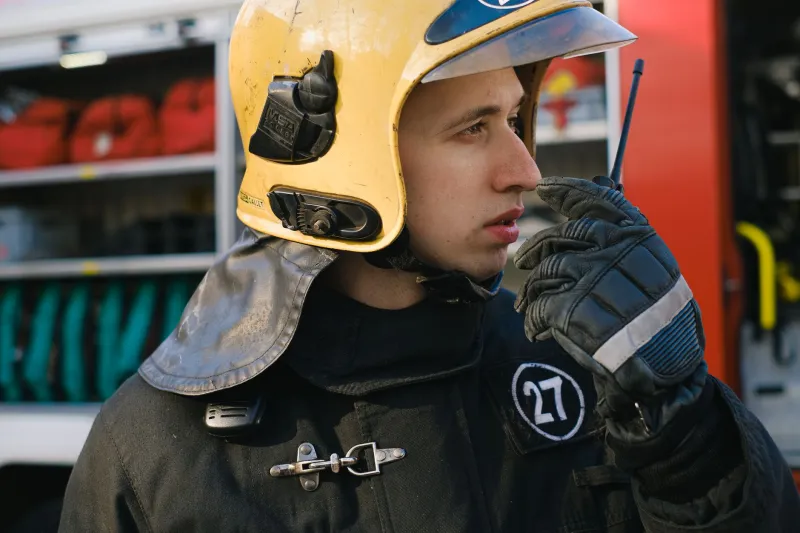
Picture this: a structure fire breaks out in a mixed-use building. Police arrive first, establish a perimeter, and start coordinating evacuation. Firefighters roll up two minutes later—but they can't hear a word the officers are saying. Different frequencies. Different systems. Different worlds, even though they're standing fifty feet apart.
This isn't a hypothetical. Versions of this scenario play out in communities across the country every single year. And for anyone in the amateur radio community who understands how this stuff actually works, it's equal parts maddening and heartbreaking.
The Problem Has a Name—And It's Been Around for Decades
Radio interoperability—or more precisely, the lack of it—has been a documented crisis in American public safety communications since at least the 1990s. The 9/11 Commission famously called it out as a contributing factor in the deaths of first responders at the World Trade Center. Firefighters couldn't communicate with each other in the towers. Police helicopters were broadcasting warnings that ground-level officers never heard. Twenty-plus years later, the core problem hasn't been solved.
The 2012 shooting at the Empire State Building, the 2016 Pulse nightclub massacre in Orlando, the 2018 Camp Fire in California—each of these events exposed, in some form, the dangerous gaps that emerge when agencies operate on incompatible radio systems. Incident after incident, the after-action reports read like a broken record: communications between agencies were limited or non-existent during critical phases of the response.
So why is this still happening?
It's Not Just a Technology Problem
Here's where it gets complicated. The technical fix for radio interoperability actually exists. It's been around for a while. The issue isn't that engineers haven't figured out how to make radios from different systems talk to each other—it's that the barriers to actually implementing those solutions are bureaucratic, financial, and political.
Most local fire departments operate on VHF or UHF frequencies assigned and managed at the local level. Law enforcement agencies often run on separate UHF or 700/800 MHz systems, sometimes managed at the county or state level. When those systems use different frequency bands, different protocols, or different digital standards—like P25 versus a proprietary digital system—they simply can't communicate without a bridge.
That bridge exists in several forms. Interoperability channels, sometimes called "interop" channels, are shared frequencies pre-programmed into radios that allow cross-agency communication. Gateway devices can patch incompatible systems together in real time. Console patches at dispatch centers can manually bridge channels during incidents.
The problem? None of these solutions work reliably unless every agency has agreed on the same protocols, trained their personnel on them, and actually programmed the right channels into their equipment. Getting three or four independent agencies—each with their own budget, their own leadership, their own procurement cycles—to do all of that in sync is harder than it sounds.
The Funding Gap Nobody Wants to Talk About
Small and mid-sized communities get hit hardest by this. A major metropolitan area might have the budget to migrate entirely to a shared, modern P25 digital system that all local agencies use. A rural county with three small towns, a volunteer fire department, and a sheriff's office operating on a shoestring? Not so much.
Federal grants through programs like FEMA's Homeland Security Grant Program have pushed money toward interoperability upgrades for years. But grant funding is inconsistent, competitive, and often requires matching funds that cash-strapped localities simply don't have. Equipment gets purchased, systems get partially upgraded, and then the money runs out before the integration is complete.
The result is a patchwork. Some counties have excellent interoperability. Others are still running legacy analog systems that were outdated fifteen years ago.
Communities That Got It Right
It's not all bad news. Some regions have figured this out, and their approaches offer a real roadmap.
The National Capital Region—Washington D.C. and its surrounding counties in Virginia and Maryland—built one of the more functional interoperability frameworks in the country following 9/11. By establishing shared governance structures, common interop channels, and regular joint training exercises, they created a system where agencies can actually communicate across jurisdictional lines when it counts.
Some rural areas have taken a different approach, leaning on FirstNet—the nationwide broadband network built specifically for first responders—to supplement traditional radio with data communications. While FirstNet doesn't replace land mobile radio for voice communications, it adds a layer of connectivity that helps agencies share situational awareness even when their radios can't talk directly.
Other communities have invested in portable gateway devices—units that can be quickly deployed at an incident scene to bridge incompatible systems on the fly. It's not elegant, but it works.
Where Amateur Radio Operators Fit In
Here's something that often gets overlooked in these conversations: the amateur radio community has real skin in this game, and real expertise to offer.
Hams have been running interoperability exercises for decades through programs like ARES (Amateur Radio Emergency Service) and RACES (Radio Amateur Civil Emergency Service). They understand frequency coordination, they know how to work across bands, and many of them have hands-on experience with exactly the kinds of patching and bridging solutions that public safety agencies need.
More importantly, licensed amateurs are often embedded in their communities in ways that give them a voice. They show up at county emergency management meetings. They serve on CERT teams. They have relationships with local fire chiefs and emergency managers.
If you're a ham or a serious radio enthusiast, you're probably better positioned than most civilians to look at your community's interoperability gaps and actually understand what you're seeing. And that means you're also positioned to advocate intelligently for solutions.
Attend a county emergency communications meeting. Ask your local emergency manager what the interoperability plan looks like for a multi-agency incident. Find out whether your area's first responder radios are programmed with interop channels—and whether anyone has actually tested them recently.
These aren't hostile questions. They're the kind of questions that move things forward.
What Needs to Happen
The long-term fix requires a few things working together: sustained federal funding for system upgrades, regional governance structures that force agencies to coordinate rather than operate in silos, and mandatory interoperability standards for any new radio equipment purchased with public money.
Some states are moving in this direction. Others are barely on the radar. The pace of change is, frankly, too slow given what's at stake.
But change doesn't only happen at the federal level. Local advocacy matters. Community pressure on county commissioners and city councils to prioritize interoperability funding matters. Showing up to budget hearings and making the case that communications infrastructure is life-safety infrastructure—that matters too.
The radio community understands better than most why this stuff is critical. The question is whether that knowledge stays inside the hobby or gets pointed at a problem that genuinely needs it.
Because right now, somewhere in America, two agencies are responding to the same emergency—and they still can't hear each other.