Stock Mic, Stuck Signal: The Cheap Swap That Could Transform How You Sound on the Air
Here's a scenario a lot of radio operators know too well: you key up, you talk, and the guy on the other end asks you to repeat yourself. You turn up the power. Still muddy. You mess with the squelch. No dice. You start wondering if your radio is going bad. Meanwhile, the real problem is dangling right in front of your face—literally.
Your stock microphone is probably garbage. And it's probably been garbage since the day you bought your rig.
Manufacturers have a long history of bundling decent radios with mediocre audio hardware. The logic is straightforward: the mic doesn't show up in the spec sheet, it doesn't drive purchase decisions, and cutting corners there keeps the sticker price competitive. What you're left with is a radio that can transmit a clean signal but is being fed a compromised audio source right from the start. Fixing that doesn't require a new rig—it requires a better microphone.
Why the Stock Mic Is the Weak Link
Most factory-bundled microphones use low-grade electret capsules that are optimized for cost, not performance. They tend to have a narrow frequency response that doesn't capture the full range of the human voice, which means your transmissions arrive sounding thin, distant, or muffled depending on how the receiving end's radio processes the audio.
Beyond the capsule itself, the wiring and connector quality on OEM mics is often where things get really dicey. Cheap shielding means more susceptibility to RF interference—a problem that gets worse as you increase transmit power. Some budget stock mics will actually pick up electrical noise from the radio itself and inject it into your audio chain. You've probably heard this as that faint buzz or hiss that seems to follow you no matter what you do.
Connector fit matters too. A loose or poorly-toleranced audio jack creates intermittent contact that can cause signal dropouts, distortion, or keying issues that are almost impossible to diagnose without swapping the hardware.
What We Tested and How
We put together a comparison across three common radio categories: handheld transceivers (HTs), mobile rigs, and desktop base stations. For each category, we ran the stock mic against a budget aftermarket option (under $40), a mid-range upgrade ($40–$100), and a premium option ($100+). Transmissions were recorded on the receiving end and evaluated for clarity, noise floor, and intelligibility under simulated real-world conditions—including ambient noise and slight distance from the mic.
The results weren't subtle.
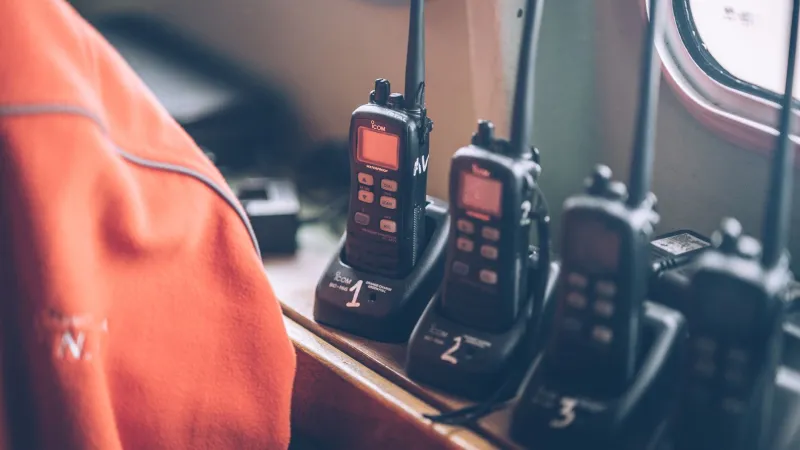
Handheld Radios: The stock speaker-mics bundled with most HTs were consistently the worst performers. Audio was thin and compressed, and background noise bleed was significant. Swapping to even a budget aftermarket speaker-mic from a reputable brand like Kenwood or a third-party option with a proper noise-canceling capsule made an immediate, audible difference. Voices came through with more body, and background noise dropped noticeably. Mid-range options—many in the $50–$70 range—added better shielding and more durable connectors, which made a difference in consistency. Premium throat mics and tactical headsets took it a step further, but for most operators, the mid-range is the sweet spot.
Mobile Rigs: This is where aftermarket upgrades showed the most dramatic improvement. Mobile environments are noisy—engine noise, road noise, HVAC—and stock desk mics or handheld mics bundled with mobile rigs often lack any meaningful noise cancellation. A noise-canceling dynamic mic, even in the $45–$60 range, cleaned up transmissions significantly. The Heil PR-781 (around $100) was a standout at the mid-to-premium tier, delivering a noticeably fuller audio profile and strong background rejection. If you're running a mobile setup and still using the stock mic, this is the upgrade that'll make people stop asking you to repeat yourself.
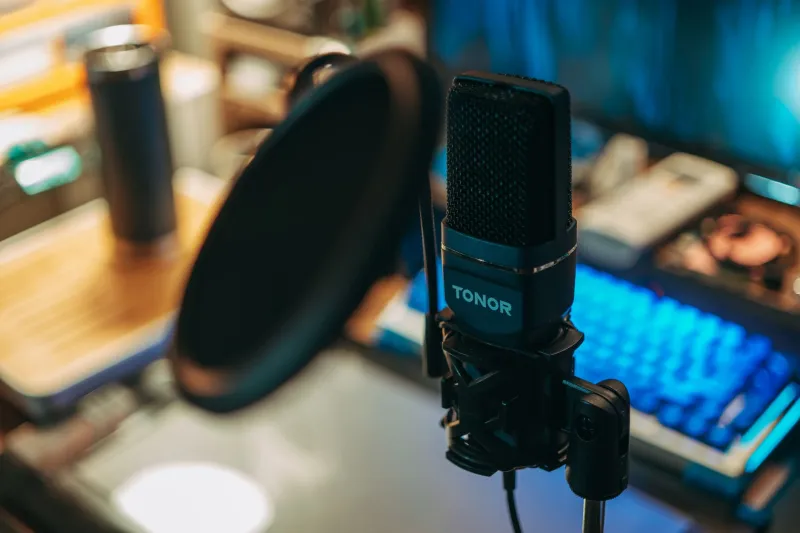
Base Stations: Desktop base station operators tend to have more stable audio environments, but the quality ceiling is also higher—which means the gap between a mediocre mic and a great one is more noticeable to other operators. Stock desk mics on entry-level base rigs often have poor low-frequency response and tend to pick up desk vibration and keyboard noise. A quality desktop mic with a cardioid pickup pattern and a proper stand mount made a significant difference in perceived audio quality. Heil's lineup remains a go-to for serious operators, but there are solid options in the $50–$80 range that perform well above their price point.
The Connector Problem Nobody Talks About
Audio capsules get most of the attention in mic upgrade conversations, but connectors deserve equal billing. The 3.5mm and 2.5mm jacks used on many HTs are notorious for wearing out quickly, especially with speaker-mics that get plugged and unplugged constantly. Even a high-quality aftermarket mic can underperform if the connector fit is sloppy.
For operators who run their rigs hard, it's worth looking at mics with reinforced strain relief on the cable and connectors that are rated for repeated connection cycles. Some aftermarket options also give you the choice of right-angle connectors, which reduces stress on the jack when the cable gets tugged—a small detail that extends the life of both the mic and your radio's audio port.
What You Should Actually Buy
Here's the short version of what our testing pointed to:
- HT operators: Any reputable aftermarket speaker-mic with a noise-canceling capsule in the $30–$60 range is a meaningful upgrade over stock. Look for reinforced cables and connectors rated for your specific radio.
- Mobile rig operators: A noise-canceling dynamic mic in the $50–$100 range is the single best investment you can make for on-air clarity. Heil, Astatic, and Turner all have options worth considering.
- Base station operators: If you're running a serious home station, a dedicated desktop mic with a cardioid pattern and a shock-mounted stand is the move. Budget $75–$150 for a setup that'll last years and make a real impression on the air.
Don't Overlook the Whole Audio Chain
One more thing worth mentioning: the mic is the most impactful single upgrade, but it's not operating in isolation. Your radio's internal audio processing settings—compression, deviation, mic gain—interact with whatever microphone you're feeding it. A high-sensitivity aftermarket mic on an uncorrected gain setting can introduce distortion just as easily as a bad stock mic. After swapping hardware, take a few minutes to dial in your mic gain and get a signal report from a trusted contact before calling it done.
The good news is that once you've sorted your audio chain, you're done. A quality aftermarket microphone, properly connected and configured, is a one-time fix that pays dividends every time you key up. Your signal doesn't change, but how well it arrives on the other end absolutely does—and that's the part that actually matters.